Do customers leave voicemails in the UK? What callers really do
By Kaveh Karimipour, founder of VolaVoice
- Published
- Updated
In short
Rarely: in a June 2026 YouGov survey, only 6% of UK adults said they would leave a voicemail, and 37% would abandon the call within 60 seconds and contact a competitor. A better greeting and a same-day call-back habit are free fixes to try first. If the phone still rings out, an answering service or AI receptionist are the next options.
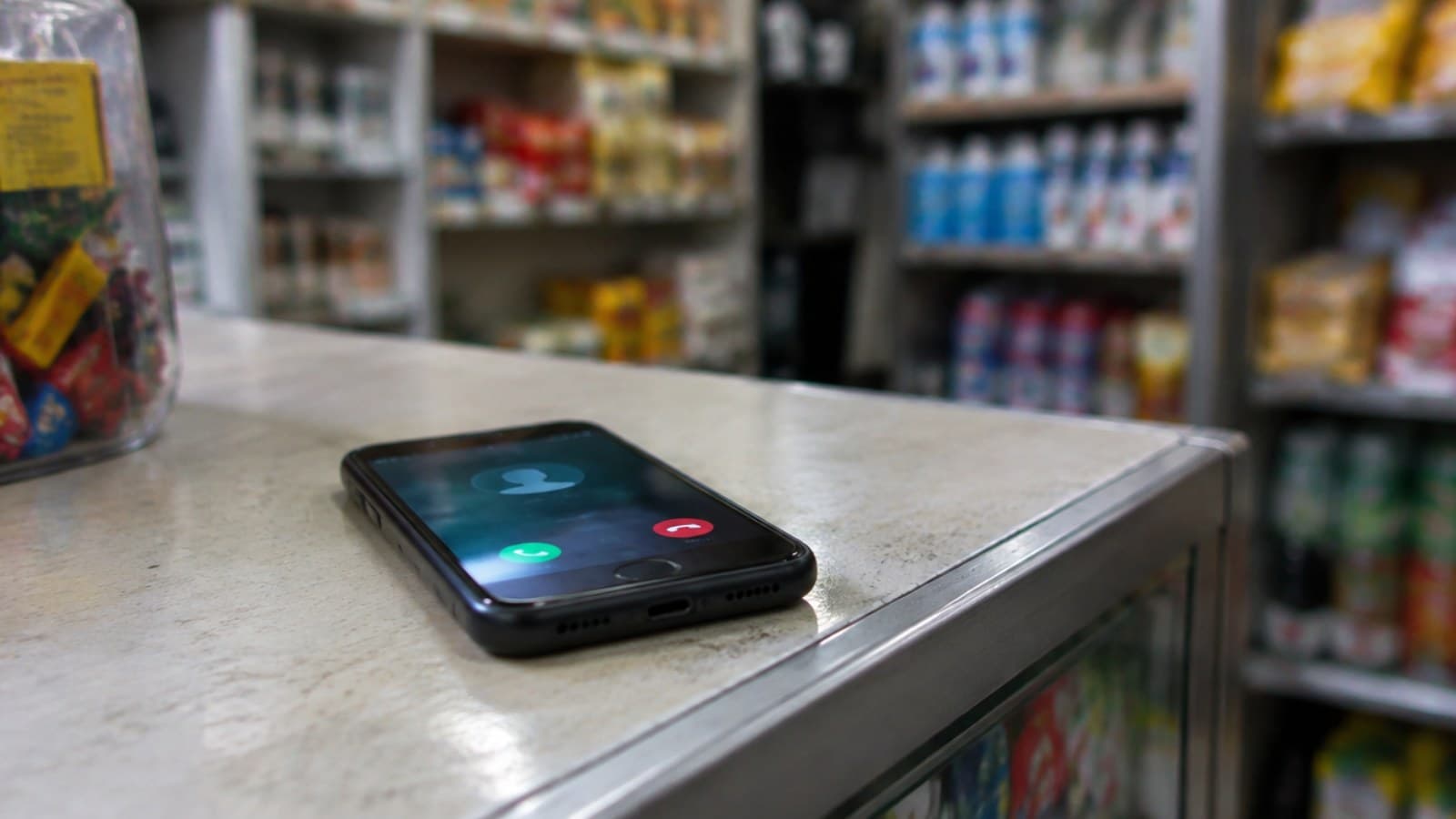
You are halfway through a haircut, a boiler repair or a client appointment when the phone buzzes in your pocket. It stops. Later you see a missed call from a number you do not know, and no voicemail. You tell yourself they will ring back.
Most will not leave a message, and fewer will try again. In a June 2026 YouGov survey of 2,046 UK adults, just 6% said they would leave a voicemail rather than wait for an answer. Another 37% said they would abandon the call within 60 seconds and contact a competitor instead.
Do UK customers leave voicemails?
Rarely. That 6% is the figure to hold on to. The survey was commissioned by a telephone answering firm, so it has a stake in the result. But YouGov ran the fieldwork between 5 and 8 June 2026 with a nationally representative sample. A further 24% said they would switch to another way of contacting the business rather than wait.
You may have seen a much higher number quoted. A US call-tracking company's survey of 1,000 US consumers, published in September 2025, put voicemail use at 42%. That is a different country and a different question, and that company sells call tracking. Treat it as a reminder not to borrow American figures for a UK business, not as a UK benchmark.
What do callers do instead?
Most try once more at best. In a January 2026 Censuswide survey of 5,001 UK consumers for an answering-service company, only 23% said they would keep trying if a business did not answer or respond promptly. The biggest group, 47%, said they might try once more, depending on how they felt.
The same research asked 2,000 UK business decision-makers what they expected. 77% thought customers would try again. That gap, 77% against 23%, is the whole problem: owners assume callers are far more patient than they are. That company sells answering services, so read the numbers as indicative, not neutral.
The caller who hangs up without a message has not agreed to wait. Plenty of them are already ringing someone else.
What can you fix for free today?
Start with your voicemail greeting, because it costs nothing and many businesses never change it. A 2016 report from an answering-service company on UK micro businesses found that 54% relied on the standard network greeting and only 33% recorded a tailored message. The same report found that 69% of callers who reached voicemail hung up without leaving a message. That is old data, but it is the most specific UK data on greetings we could verify, and it fits a simple point: a caller who hears a robotic default has little reason to trust that anyone will listen.
A better greeting is short, and it does five jobs:
- Says your business name, so callers know they are in the right place.
- Says why you cannot answer, and when you are back (for example, "we are with clients until 5pm").
- Asks for a name, a number and the reason for the call.
- Promises a specific time for the reply, such as "before the end of today".
- Gives an alternative for anything urgent.
Then check it works. Ring your own number from another phone and listen as a customer would. Make sure voicemail is switched on, the mailbox is not full, and the greeting still matches your opening hours after a bank holiday. If you run the business from a mobile, make the greeting clear that this is the business line.
The second free fix is a call-back habit. A US business phone provider analysed 16.7 million missed calls from its customers and found that 69% got no call back within 48 hours. Its definition of a call back was any outbound call from the business, so the true figure for calls that led to a conversation could be worse. The point still travels: if a missed call is not returned the same day, it often is not returned at all.
Give one named person the job of clearing missed calls at set times. The honest trade-off is that this slips first on your busiest days, which are also the days you miss the most calls.
When is a better greeting not enough?
When the phone rings most while your hands are full, and callers want an answer rather than a message. A greeting still asks the caller to do the work. If your calls are mostly the same questions, booking requests and messages, you have two other options.
A traditional answering service puts a person on the line to take messages in your business name. That suits sensitive or complicated calls. Our comparison of AI phone answering and answering services goes through the trade-offs.
An AI receptionist answers in a natural voice, using information you have approved. This is what we build at VolaVoice, so weigh this part accordingly. It says so when it does not know an answer, it says it is AI when a caller asks, and it takes messages and booking requests that your team then confirms. You get a written transcript afterwards, not an audio recording. It does not send text messages or make outbound calls, and it does not take payment over the phone.
The trade-off is that some callers would rather speak to a person, which is why calls can be forwarded to your own number. If you want to judge the experience, hear the receptionist answer a call before you decide anything.
What does trying it cost?
Plans start at £49 a month with 150 minutes included, with no setup fee and no per-minute charges. Every plan has a 14-day free trial of up to 150 minutes. A card is needed to start, and nothing is charged until the trial ends. Unused minutes do not roll over, and when minutes run out, calls forward to your own number.
So what is the honest takeaway?
Voicemail is a weak safety net. In the UK, only a small minority of callers leave a message, and fewer than a quarter keep trying, so each unanswered call is a real chance the customer goes elsewhere.
Do the free things first: record a proper greeting, test it, and return missed calls the same day. For a business with a handful of missed calls a week, that may be enough. If your phone keeps ringing out while you work, an answering service or an AI receptionist is worth testing against that baseline, as long as callers always have a route to a person. If that sounds like your business, compare the plans.
Frequently asked questions
Do customers leave voicemails in the UK?
Rarely. In a June 2026 YouGov survey of 2,046 UK adults, just 6% said they would leave a voicemail rather than wait for an answer.
What should a business voicemail greeting say?
Your business name, why you cannot answer, when you will reply, and a request for a name, number and reason for calling. Keep it short and update it when your hours change.
How quickly should I return a missed call?
The same day at the latest. A US analysis of 16.7 million missed calls found 69% got no call back within 48 hours, and only 23% of UK consumers in a 2026 survey said they would keep trying.
Can an AI receptionist replace my voicemail?
It can answer instead of voicemail, using information you approve, and take messages and booking requests for your team to confirm. It is not right for every call, so keep a route to a person.
Sources
- One in Three UK Consumers Will Call a Competitor if a Business Fails to Answer the Phone Within 60 Seconds, Pressat (Answer4u, YouGov research)
- Why customers still want to speak to a real person, Moneypenny
- Why businesses can't afford to miss incoming calls, CallRail
- Small Business Callback Statistics in 2026: Data From 16M+ Calls, Quo
- Findings of small business call report revealed (2016), Moneypenny
How this article was produced
An AI writing tool helped draft this article. A person reviewed, edited and approved it before it was published. The sources it relies on are listed above.